
Technology
Hackers stole $6.3 billion from Binance—2 habits that take 'a few seconds' can help you avoid similar traps
By Marcus Chen
Advertisement · Why this ad?
Katherine oversees editorial operations across all six brands. Before joining The Meridan Group, she spent 14 years at the Minneapolis Star Tribune, where she led the metro desk through its digital transformation. She holds a Master's in Journalism from Northwestern's Medill School.
More from Katherine →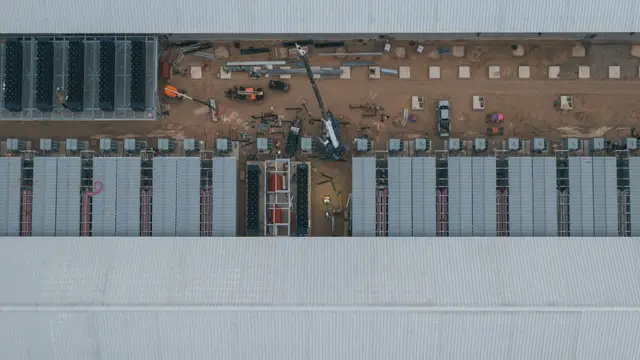
The anxieties surrounding a potential slowdown in the data center boom, fueled by recent election results and concerns about affordability, are proving to be largely unfounded. Conversations with utility executives at the Edison Electric Institute’s annual conference, coupled with insights from energy-focused investors, consistently point to continued robust electricity demand. While newly elected officials in states like Ohio and Georgia are raising questions about the impact of data centers on electricity bills, the reality is that these concerns are often based on incomplete information and the potential for solutions to simply shift development elsewhere. This situation demands a careful examination of the regulatory landscape, particularly in Texas, where a temporary “pause” on data center permitting has been implemented.
The recent election cycle brought a wave of concerns regarding the sustainability and affordability of data centers, particularly in states experiencing rapid growth. Incoming officials in Ohio, Georgia, and notably Texas, have voiced intentions to address perceived affordability issues linked to data center development. In Texas, Governor Greg Abbott has initiated a temporary pause on data center permitting, a move that has introduced uncertainty into the market. However, the extent of the governor’s power in this area is limited, largely dependent on appointments to key regulatory agencies like the Public Utility Commission of Texas (PUCT) www.puc.texas.gov and the Texas Commission on Environmental Quality (TCEQ) www.tceq.texas.gov.
The PUCT regulates electricity, telecom, and water industries, overseeing grid-related growth, while the TCEQ handles environmental permits for facilities operating off the grid. Both agencies are currently led by Abbott appointees, suggesting a degree of continuity in the regulatory environment. Louisiana and Oklahoma are actively courting data center businesses, recognizing the economic benefits and possessing ample power resources. Goldman Sachs estimates that spending on AI-related hardware will reach $1.4 trillion by the end of next year, indicating continued demand despite potential slowdowns. Furthermore, increased electricity demand isn’t solely attributable to data centers; the rise of electric vehicles, reshoring manufacturing, and broader electrification trends all contribute to the need for more power capacity.
The Edison Electric Institute (EEI) www.eei.org, a trade association representing utility companies, surveyed its members and found no anticipation of a slowdown in electricity growth expectations. This consensus across the industry underscores the resilience of the data center sector and its continued impact on energy demand. The broader trend of companies realizing they may have over-provisioned compute power could lead to some cancellations, but the overall outlook remains positive.
The concerns voiced by incoming officials in Texas reflect a broader anxiety about the potential impact of data centers on local communities. While data centers bring economic opportunities and jobs, residents are also worried about rising electricity costs and the strain on local infrastructure. The temporary pause on permitting has created a sense of uncertainty among developers and investors, while simultaneously fueling debate about the long-term sustainability of data center growth. It’s important to remember that these officials have limited power to directly impact data center development, as much of the regulatory authority resides with state agencies.
The situation in Texas is particularly complex, given the state's unique regulatory structure and its role as a major hub for data center development. The governor's ability to influence permitting decisions through appointments to the PUCT and TCEQ is significant, but not absolute. The potential for Louisiana and Oklahoma to attract data center investment underscores the competitive nature of the industry and the possibility that concerns in one state could simply shift development elsewhere. The concerns about electricity rates are valid, and residents deserve a transparent discussion about the costs and benefits of data center development.
The coming months will be critical in determining the long-term trajectory of data center development in Texas and other states. The actions taken by incoming officials, particularly regarding electricity rates and permitting processes, will shape the investment landscape. While a complete moratorium on data center construction seems unlikely, continued scrutiny and potential regulatory adjustments are probable. The focus should shift towards finding sustainable solutions that balance economic growth with community concerns, ensuring that data center development benefits all stakeholders. This includes exploring innovative approaches to energy efficiency and grid management, as well as fostering open communication between developers, regulators, and residents.
Utility companies will continue to monitor electricity demand and adjust their generation plans accordingly. The ongoing electrification of various sectors, including transportation and manufacturing, will further drive the need for increased power capacity. Investors should pay close attention to regulatory developments and the competitive landscape, recognizing that the data center sector remains a key driver of energy demand and economic growth.
The narrative surrounding a data center slowdown feels like a classic case of short-term political posturing overshadowing fundamental economic realities. While the concerns about affordability and infrastructure are legitimate and deserve attention, the sheer scale of the AI buildout and the broader electrification of our society necessitate continued investment in energy infrastructure. To suggest that these projects will simply vanish or relocate to states like Louisiana and Oklahoma is a simplistic view that ignores the complexities of supply chains, skilled labor, and established ecosystems. What's truly concerning is not the presence of data centers, but the potential for misguided policies to stifle innovation and hinder economic growth. It’s imperative that policymakers focus on fostering a stable and predictable regulatory environment that encourages responsible development, rather than resorting to knee-jerk reactions based on incomplete information. The long-term prosperity of our communities depends on a reliable and affordable energy supply, and that requires a commitment to both technological advancement and thoughtful planning.
For those seeking further information on the data center industry and its impact on energy demand, several resources are available. The Public Utility Commission of Texas (PUCT) provides detailed information on regulatory proceedings and energy policy. The Texas Commission on Environmental Quality (TCEQ) offers data on environmental permits and regulations. The Edison Electric Institute (EEI) provides insights into the utility industry and its role in meeting energy demand. Local community organizations and government agencies can also provide valuable information on the impact of data centers on local communities.
Furthermore, the U.S. Energy Information Administration (EIA) www.eia.gov offers comprehensive data and analysis on energy production, consumption, and prices. Understanding these trends is crucial for making informed decisions about energy policy and investment. The long-term stability of our communities depends on a balanced approach that considers both economic growth and environmental sustainability. Strong families and vibrant communities thrive when they have access to reliable and affordable energy.
It’s also vital to remember the importance of civic engagement. Attending local government meetings, contacting elected officials, and participating in community discussions are all ways to ensure that voices are heard and that decisions are made in the best interests of all residents. Building strong, resilient communities requires a commitment to open communication and collaborative problem-solving.
The challenges presented by the data center boom are complex, but they are not insurmountable. By embracing innovation, fostering collaboration, and prioritizing long-term sustainability, we can ensure that our communities continue to thrive. The American dream is built on a foundation of opportunity and prosperity, and that requires a commitment to responsible economic development.
Ultimately, the data center slowdown narrative is a cautionary tale about the dangers of succumbing to fear and misinformation. While vigilance and thoughtful planning are essential, we must not allow short-term anxieties to derail long-term progress. The continued growth of the data center sector is a testament to the power of innovation and the enduring promise of the American dream.
By Marcus Chen

By Marcus Chen

By Marcus Chen

By Marcus Chen