
Business
Webull to Pay $4.2 Million Finra Fine Over Compliance Issues
By Marcus Chen
Advertisement · Why this ad?
Marcus manages the day-to-day editorial workflow across all brands, coordinating coverage assignments and ensuring editorial standards are met. He previously served as city editor at the Pioneer Press and holds a degree in Political Science from Carleton College.
More from Marcus →
As the sun set over Wall Street, former Federal Reserve Governor Stephen Miran stood at a podium, addressing a crowd of eager financial analysts and investors. His voice echoed with conviction as he declared that the recent decision to raise interest rates in September was a misstep that could have lasting consequences for the economy.
In a recent public address, Miran criticized the Federal Reserve's decision to increase interest rates during its September meeting. He argued that the hike was unnecessary and could potentially hinder economic growth. The Fed raised the federal funds rate by 25 basis points, a move that many analysts had anticipated but which Miran believes was ill-timed.
Miran's assertion comes at a pivotal moment as the economy grapples with inflationary pressures and a labor market that, while strong, shows signs of cooling. He emphasized that the Fed should be cautious in its approach to monetary policy, particularly when it comes to raising rates that can stifle growth. His comments reflect a growing concern among some economists that aggressive rate hikes could lead to a downturn.
The Federal Reserve's decision to raise rates in September was driven by a desire to combat inflation, which has been a significant concern for policymakers. Inflation rates have surged in recent months, prompting the Fed to act in an attempt to stabilize prices. However, Miran argues that the data did not warrant such a drastic measure.
He pointed out that while inflation is a valid concern, the Fed should focus on a more nuanced approach rather than relying solely on rate hikes. Miran advocates for cutting back on forward guidance as well, suggesting that the Fed's communication strategy could be adjusted to allow for more flexibility in responding to economic changes.
Miran's critique of the Fed's September decision raises questions about the broader implications for the economy. If the Fed continues to raise rates without clear justification, it could lead to a slowdown in consumer spending and business investment. This, in turn, could impact job growth and wage increases, which are essential for maintaining a healthy economy.
Moreover, Miran's call for reduced forward guidance highlights a potential shift in how the Fed communicates its policy intentions. By minimizing the emphasis on future rate hikes, the Fed may create a more adaptable monetary policy that can better respond to unexpected economic shifts.
Miran's comments have sparked a range of reactions from economists and business leaders. Some agree with his assessment, arguing that the Fed should prioritize stability over aggressive rate hikes. Others, however, believe that the Fed must remain vigilant against inflation and that rate increases are a necessary tool in their arsenal.
Local business owners in New York City have expressed concern about the potential effects of rising interest rates on their operations. Many rely on loans to fund their businesses, and higher rates could lead to increased borrowing costs. This could ultimately affect their ability to hire new employees and expand, which is critical for the city's economic recovery post-pandemic.
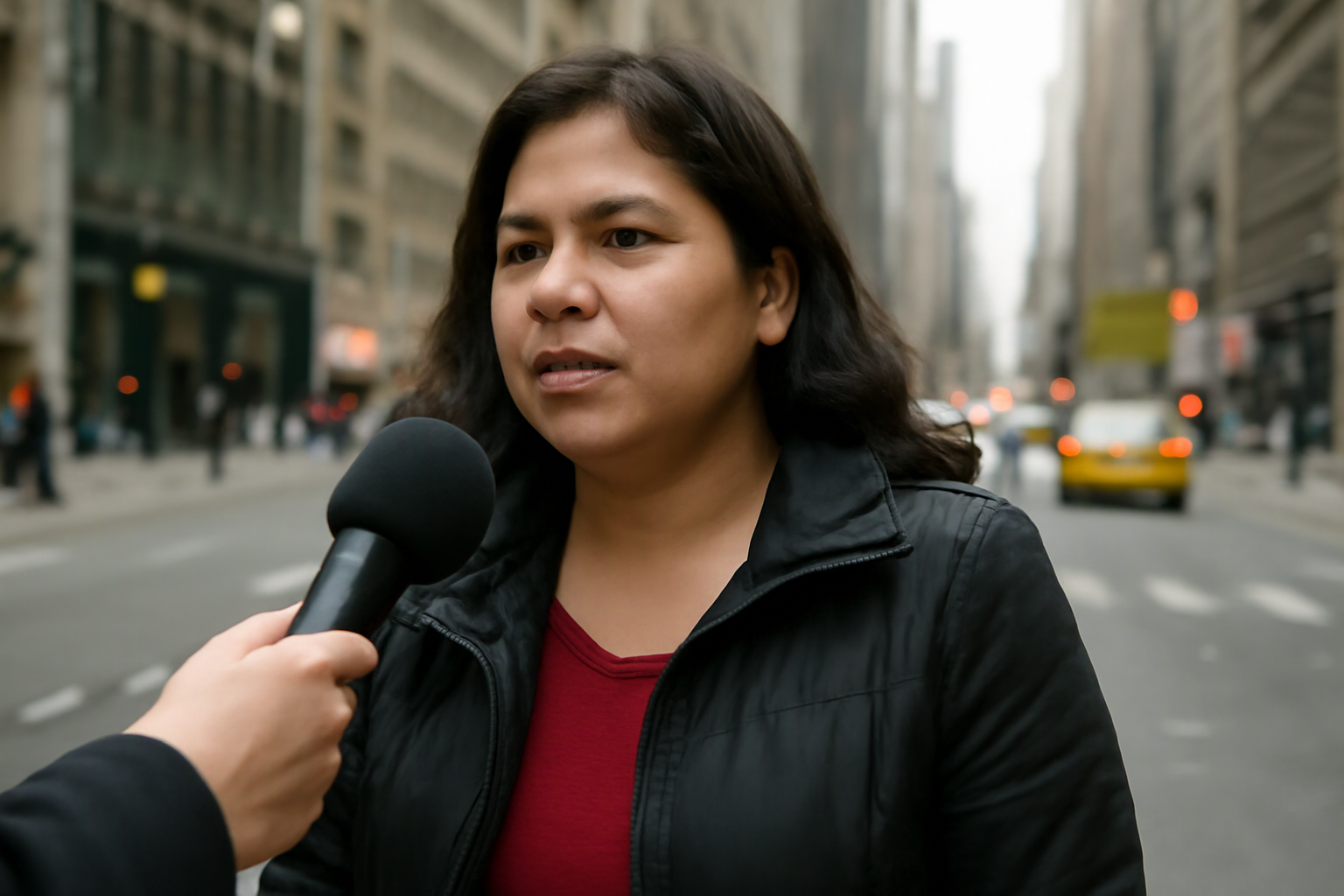
For example, Maria Gonzalez, the owner of a small café in the East Village, stated, "Every penny counts for us. If interest rates go up, our loan payments will rise, and that could mean cutting back on staff or even reducing hours for our employees. We’re just starting to bounce back after the pandemic, and this is the last thing we need." Her sentiments reflect a broader anxiety shared among many small business owners who are still recovering from the economic impacts of COVID-19.
New York City's economy is a diverse tapestry woven together by various industries, from finance and technology to hospitality and retail. The interconnectedness of these sectors means that decisions made by the Federal Reserve resonate beyond the financial district, impacting neighborhoods and communities throughout the city.
According to the NYC Chamber of Commerce, small businesses account for approximately 98% of all businesses in the city and employ nearly half of the workforce. Therefore, the implications of interest rate hikes are felt far and wide. As businesses face increased costs, consumers may also feel the pinch, leading to reduced spending, which can further exacerbate economic challenges.
In addition to Maria Gonzalez, other local entrepreneurs are voicing their concerns. Thomas Lee, who runs a tech startup in Brooklyn, shared his perspective: "We are in a phase where every investment counts. If interest rates rise, it could limit our ability to secure funding for new projects, stifling innovation in a city that thrives on it. It’s a precarious balance that could affect our growth trajectory significantly."
Meanwhile, community organizations like the New York City Small Business Services are stepping up to provide resources and support for local businesses navigating these turbulent economic waters. They are hosting workshops to educate business owners about financial management and alternative funding sources that could mitigate the impact of rising interest rates.
Looking ahead, Miran's insights may influence ongoing discussions among Federal Reserve officials as they consider future monetary policy decisions. With inflation still a pressing issue, the Fed faces a delicate balancing act between curbing inflation and supporting economic growth.
As the economy continues to evolve, the Fed's approach will be closely watched by analysts and investors alike. Miran's advocacy for a more measured approach may resonate with those who prioritize long-term economic stability over short-term gains.
As part of the ongoing dialogue, Miran has called for more engagement with local communities and businesses to better understand the real-world implications of monetary policy decisions. He believes that hearing directly from those affected can lead to more informed and effective policy-making.
In conclusion, Stephen Miran's assertion that the September rate hike was a mistake raises important questions about the Federal Reserve's strategy moving forward. As the central bank navigates a complex economic landscape, the decisions made today will have lasting implications for communities across the nation. The stakes are high, not just for Wall Street but for the everyday lives of New Yorkers and beyond, as they strive for economic recovery and growth in a post-pandemic world.
As New York City serves as a bellwether for the national economy, the implications of the Fed's decisions extend far beyond the city limits. The concerns raised by Miran echo throughout the country, where small businesses are the backbone of the economy. If the Fed's policies disproportionately impact urban centers like New York, the ripple effects could lead to a national slowdown.
Moreover, this situation underscores the importance of monetary policy that is responsive to the needs of diverse communities across the United States. Policymakers must consider how their decisions affect not only financial markets but also the everyday lives of citizens who rely on stable economic conditions for their livelihoods.
By Marcus Chen

By Marcus Chen

By Marcus Chen
By Katherine Langford