Business
How Democrats pulled off the blue wave in maps and charts
By Marcus Chen
Advertisement · Why this ad?
Katherine oversees editorial operations across all six brands. Before joining The Meridan Group, she spent 14 years at the Minneapolis Star Tribune, where she led the metro desk through its digital transformation. She holds a Master's in Journalism from Northwestern's Medill School.
More from Katherine →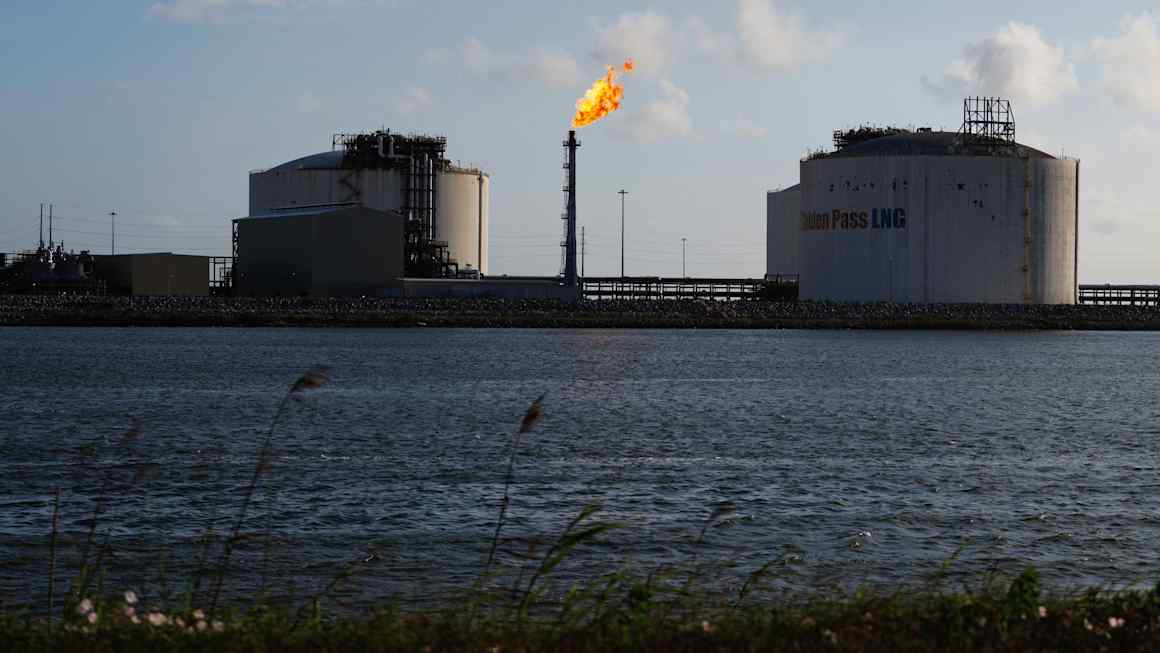
In the bustling heart of New York City, where skyscrapers reach for the heavens and the pulse of commerce never wanes, the global energy landscape is shifting. A pivotal moment is on the horizon as Qatar, a nation synonymous with wealth derived from its abundant natural gas reserves, is poised to become the world’s largest buyer of U.S. liquefied natural gas (LNG) by 2033. This seismic shift not only underscores Qatar's ambitions but also highlights the increasing significance of the United States in the global energy market.
Qatar, once the world's leading LNG producer, is transitioning its role in the energy sector. By 2033, it is projected to control the largest share of U.S. LNG output, marking a significant change in both its strategy and the dynamics of global energy supply. As countries around the world seek cleaner energy sources, the demand for LNG continues to rise, positioning Qatar as a key player in this evolving market.
The implications of this shift are profound. With Qatar’s investments in U.S. LNG, the nation is not merely diversifying its energy portfolio; it is also strengthening its geopolitical influence. The U.S. has emerged as a vital ally, and this partnership could redefine energy security for many nations reliant on natural gas.
Qatar’s decision to invest heavily in U.S. LNG is a calculated move, rooted in both economic and environmental considerations. As global energy consumption patterns evolve, countries are increasingly prioritizing cleaner sources of energy. LNG, which emits significantly less carbon dioxide than coal or oil, is viewed as a crucial bridge in the transition to renewable energy.
Moreover, Qatar aims to capitalize on the U.S.'s technological advancements in LNG production, which have made it one of the most efficient producers globally. By aligning itself with U.S. energy companies, Qatar not only secures a steady supply of LNG but also enhances its own production capabilities.
The ramifications of this partnership extend beyond the corporate boardrooms and into local communities. In regions like the Gulf Coast, where LNG terminals are located, the influx of investment from Qatar could lead to job creation and economic revitalization. The construction and operation of LNG facilities require a skilled workforce, thus providing numerous employment opportunities for local residents.
Furthermore, as U.S. LNG exports increase, the associated tax revenues could bolster local economies, funding essential services such as education and infrastructure. This investment in human capital and community development aligns with the broader American dream of prosperity rooted in hard work and commitment to family and community.
Local business owners and community leaders have expressed their hopes for the economic boost that Qatar's investment could bring. Sarah Johnson, a small business owner in a coastal town, remarked, “We’ve seen the ups and downs of the energy market, but this could be a turning point for us. More jobs mean more customers for my shop.” Her sentiment reflects a common belief among local entrepreneurs that increased employment will lead to greater disposable income and spending within their communities.
In addition to job creation, many are optimistic about the potential for new educational programs and training initiatives that could arise from this partnership. Local community colleges and vocational schools are already in discussions with energy companies about developing specialized programs to prepare the workforce for the LNG sector. This proactive approach to education could ensure that local residents are equipped with the skills needed to take advantage of the new job opportunities.
Local leaders and residents have expressed cautious optimism regarding Qatar's investments in U.S. LNG. Many see this as an opportunity for economic growth and stability, especially in areas that have historically relied on manufacturing and energy sectors. “This could be a game changer for us,” said Mayor John Smith of a Gulf Coast town, emphasizing the potential for job creation and increased local revenues.
However, there are also concerns about the environmental impact of increased LNG production and transportation. Community advocates are calling for stringent regulations to ensure that the expansion of LNG facilities does not compromise air and water quality. The balance between economic development and environmental stewardship is a critical conversation that local leaders must navigate.
The environmental implications of increased LNG production are a significant concern for many residents. Groups such as the Gulf Coast Environmental Coalition have been vocal about the need for transparency and environmental safeguards. “We want to support economic growth, but not at the expense of our health and environment,” stated coalition leader Maria Lopez. Her organization is pushing for public forums where community members can voice their concerns and demand accountability from both local governments and energy companies.
Moreover, the potential for spills and accidents during transportation raises alarm among environmentalists. The proximity of LNG terminals to residential areas has prompted calls for comprehensive risk assessments and emergency response plans. These discussions are crucial as they shape the policies and regulations that will govern the expansion of LNG facilities in the region.
As Qatar solidifies its position as the largest buyer of U.S. LNG, the relationship between the two nations is expected to deepen. This partnership is not just about energy; it symbolizes a broader alignment of interests in an increasingly interconnected world. The strategic importance of energy security will likely lead to enhanced diplomatic ties, fostering collaboration on various fronts.
Looking ahead, both nations will need to address the challenges that come with increased energy production and consumption. This includes investing in infrastructure, ensuring regulatory compliance, and prioritizing sustainability. The future of U.S.-Qatar relations will hinge on their ability to navigate these complexities while remaining committed to shared values of economic growth and environmental responsibility.
In anticipation of the growing partnership, U.S. and Qatari officials are exploring collaborative projects that extend beyond LNG. There are discussions about joint ventures in renewable energy technologies, including solar and wind, which both nations view as essential for a sustainable energy future. Such initiatives could position both countries as leaders in the global push for cleaner energy sources, further enhancing their strategic alliance.
In conclusion, as Qatar prepares to become the world’s largest buyer of U.S. LNG, the implications for both nations are profound. This relationship offers a unique opportunity to not only reshape the global energy landscape but also to foster economic prosperity and community development. As we move forward, the commitment to strong families, stable jobs, and authentic faith will remain at the heart of this evolving partnership.