
Business
Depressing, but true: If you want to get ahead at work, embrace virtue signaling
By Katherine Langford
Advertisement · Why this ad?
Marcus manages the day-to-day editorial workflow across all brands, coordinating coverage assignments and ensuring editorial standards are met. He previously served as city editor at the Pioneer Press and holds a degree in Political Science from Carleton College.
More from Marcus →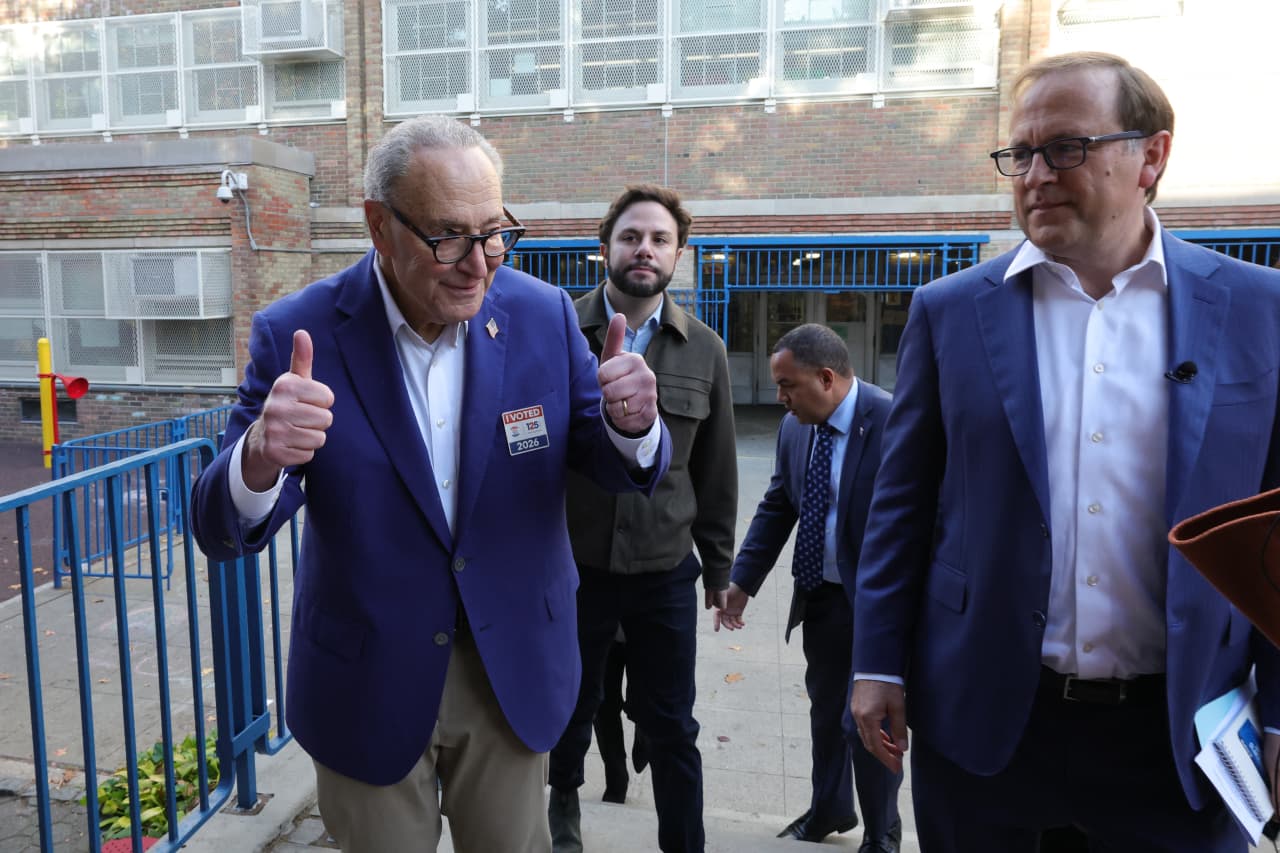
As the sun set on Election Day, New Yorkers gathered in living rooms and bars, eyes glued to screens, awaiting the results that would shape their financial futures. With Democrats securing control of the Senate, but the House remaining a battleground, the implications for everyday Americans are profound and far-reaching.
The midterm elections have concluded, with Democrats emerging victorious in the Senate, while control of the House of Representatives remains uncertain. This split outcome is poised to influence various aspects of American life, particularly in relation to finances. With the Senate firmly in Democratic hands, policies surrounding taxation, healthcare, and social programs are likely to shift. The outcomes indicate a potential for increased spending on social programs that could benefit lower- and middle-income families.
According to analysts, a Democratic-controlled Senate could lead to more robust support for initiatives such as the Affordable Care Act, which aims to reduce healthcare costs. This would not only affect individual health expenses but could also provide a boost to the economy by increasing consumer spending power.
Conversely, if Republicans maintain control of the House, the legislative process may become more contentious, leading to gridlock on key financial issues. This could stymie efforts to pass significant financial reforms that could benefit American families, leaving many uncertain about their economic futures.
One of the most immediate concerns for Americans is how these election results will affect taxes. If Democrats push through tax reforms that target the wealthy, it could lead to increased revenues for the government, potentially funding essential services and programs. However, this may also lead to debates about tax increases on middle-class families, a concern echoed by many voters.
According to a recent report from the IRS, changes in tax legislation can take time to implement, meaning any immediate effects may not be felt until the next tax season. Financial advisors are urging families to review their tax strategies now to prepare for potential changes.
With the political landscape shifting, investors are advised to reassess their portfolios. The uncertainty surrounding House control could lead to volatility in the stock market. Financial experts recommend diversifying investments and considering sectors that typically perform well during political transitions.
For instance, sectors like renewable energy and technology may see growth due to potential Democratic support for green initiatives. Conversely, traditional energy stocks may face challenges if regulatory changes are enacted. Understanding these dynamics can help families make informed decisions about their investments.
In neighborhoods across New York City, the election results are eliciting mixed reactions. Many residents express hope that a Democratic Senate will lead to more support for affordable housing and education funding. “We need more resources for our schools,” said Maria Gonzalez, a local teacher. “Our children deserve the best opportunities.”
On the flip side, some community members worry about the potential for increased taxation. “I’m all for supporting our schools, but I also have to think about my family’s budget,” noted John Smith, a small business owner. “It’s a delicate balance.”
These sentiments are echoed across various neighborhoods, from the bustling streets of Brooklyn to the quieter corners of Queens. Local community leaders are taking note of these concerns, recognizing that the voices of residents must be amplified in discussions with policymakers. Organizations like the ACLU are already mobilizing to ensure that the needs of working families are represented in upcoming legislative sessions.
Community engagement is crucial in this pivotal moment. Local leaders, such as city council members and community board representatives, are stepping up to facilitate discussions around the implications of the election results. They are hosting forums and town halls to gather input from constituents, ensuring that the diverse voices of New Yorkers are not only heard but also incorporated into future policymaking.
“It’s not just about what happens in Washington; it’s about how those decisions trickle down to our neighborhoods,” said Councilwoman Lisa Ramirez, who represents a diverse district in the Bronx. “We need to make sure that our community’s needs are front and center as we move forward.”
As the dust settles from the elections, voters are left to ponder what this split control means for their daily lives. The next few months will be critical as Congress convenes and begins to address pressing issues like inflation, healthcare costs, and economic recovery.
Many families are already feeling the pinch from rising prices, and lawmakers will need to act swiftly to provide relief. Experts predict that bipartisan cooperation will be essential to navigate the challenges ahead, particularly if the House remains divided. Local advocacy groups are focusing on initiatives that promote economic stability, such as job training programs and affordable housing projects.
In the meantime, community organizations are gearing up to advocate for policies that support working families. Groups like the ACLU and local chambers of commerce are mobilizing to ensure that the voices of everyday New Yorkers are heard in the halls of power. By fostering dialogue between community members and elected officials, these organizations hope to create a more inclusive decision-making process that reflects the diverse needs of the city.
The importance of civic engagement cannot be overstated in this pivotal moment. Local leaders are encouraging residents to participate in town halls and community meetings to voice their concerns and priorities. “It’s essential for people to make their voices heard,” emphasized Maria Gonzalez. “We can’t just wait for change to happen; we have to be part of it.”
Moreover, the upcoming sessions in Congress will likely be filled with debates over budget allocations and social programs. Engaged citizens can influence these discussions by staying informed and advocating for issues that matter most to them. Whether it’s through social media campaigns, local activism, or simply engaging in conversations with neighbors, every action counts.
The outcome of the midterm elections will undoubtedly shape the financial landscape for Americans. With a Democratic Senate and a contentious House, the path forward is fraught with challenges and opportunities. Families are encouraged to stay informed and engaged, as their voices will be crucial in influencing the policies that affect their wallets.
As New Yorkers navigate these uncertain waters, one thing remains clear: the strength of community and family will play a vital role in weathering the storms ahead. The collective efforts of residents, community organizations, and local leaders will be essential in advocating for a future that prioritizes economic stability and social equity. The upcoming months will be critical for shaping policies that not only reflect the will of the voters but also address the immediate needs of the community, ensuring that no one is left behind in the quest for a better tomorrow.
By Katherine Langford

By Marcus Chen
By Marcus Chen
By Katherine Langford